Defense representation for impaired driving charges in Washington State, including what counsel does, what it costs, and how the license case runs alongside the criminal one
Facing a first DUI in Washington? Where defense work moves the result, and where it cannot
A Washington impaired driving arrest starts a criminal case and an administrative license case at the same time. The licensing side has its own short deadline and does not pause for the court schedule.
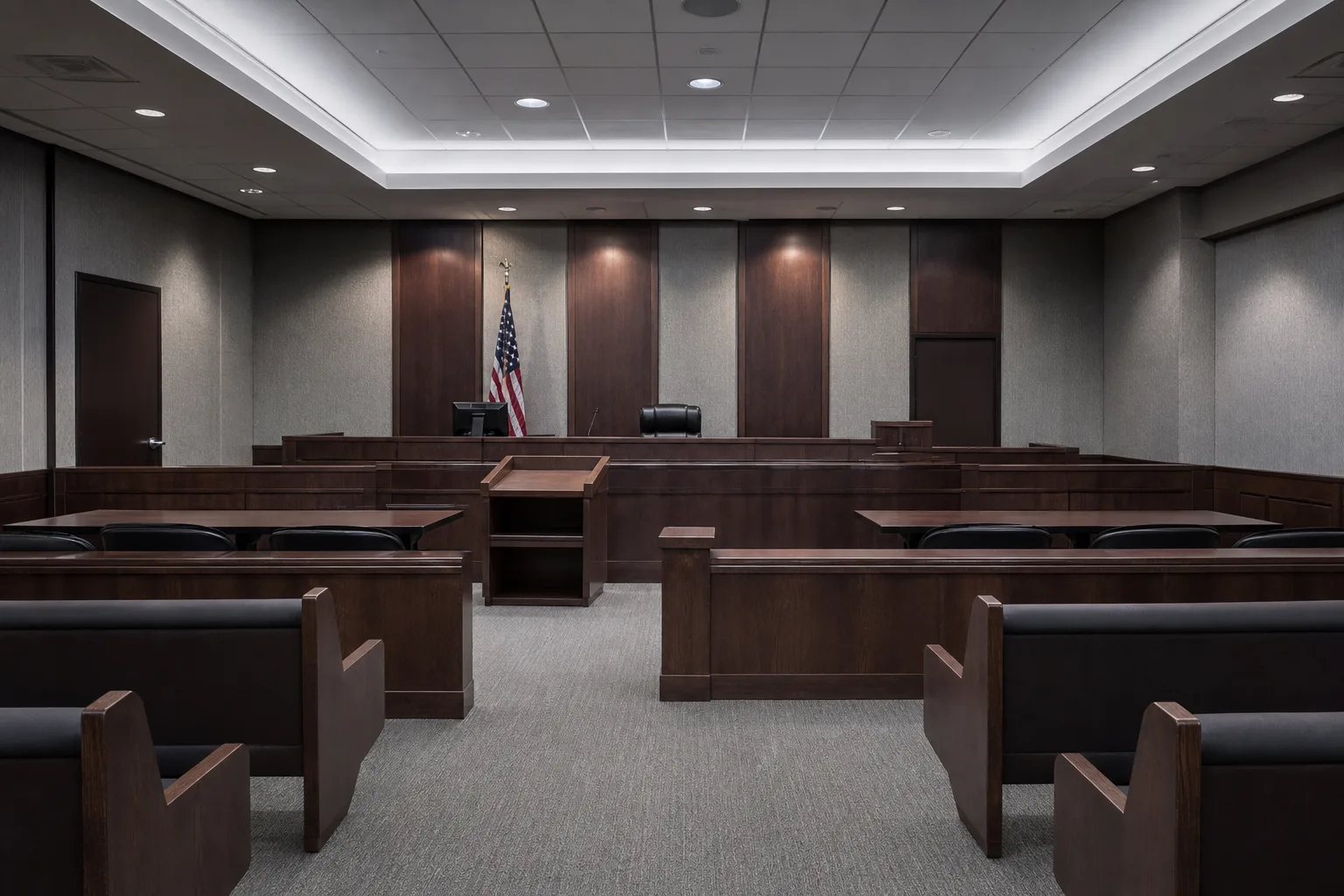
The honest version of what counsel does in a Washington impaired driving case has three parts, and only two of them involve argument. There is the evidence, which can sometimes be excluded. There is the charge, which can sometimes be changed. And there is the sentencing grid in RCW 46.61.5055, which applies with very little give once a conviction for driving under the influence is entered. A reader deciding whether to hire, and at what price, is really asking which of those three parts is live in their own file, and that question can usually be answered from the discovery within a few weeks of arraignment.
What a suppression motion is actually attacking
Most contested motion work in district and municipal court concerns two moments: the reason for the stop, and the conditions under which the breath test was administered. The stop is judged against whether the officer articulated specific facts supporting a reasonable suspicion, and dashboard or body-worn video frequently either supports the report or quietly contradicts it. The breath test has its own procedural spine, including the observation period before the sample, the requirement of duplicate samples agreeing within the tolerance set by rule, and the certifications behind the instrument and the simulator solution. The National Highway Traffic Safety Administration is responsible for the standardized roadside testing curriculum officers are trained on, and departures from that training are a routine subject of cross-examination.
What a careful reader checks is whether counsel has actually read the packet behind the test, not just the narrative report. Ask which specific documents were requested, whether the state toxicologist's certifications were produced, and whether the video was obtained before it aged past the agency's retention window. A lawyer who has done this will say what the file supports and what it does not, in ordinary sentences.
The reduction that most first cases are aiming at
The common negotiated landing point in Washington is negligent driving in the first degree under RCW 46.61.5249, a misdemeanor rather than a gross misdemeanor, which carries no mandatory jail, no statutory ignition interlock requirement attached to the conviction itself, and a different insurance and employment profile. Prosecutors weigh the breath or blood result, whether there was an accident, the driving observed, the defendant's record, and how the evidence would hold up if the suppression motion were argued rather than settled. A reduction is not a favor granted for retaining counsel. It is priced against litigation risk, which means the motion work and the negotiation are the same conversation conducted twice.
Deferred prosecution, and who is genuinely eligible
Chapter 10.05 RCW allows a petition for deferred prosecution where the charged conduct is the result of alcoholism, drug addiction, or a mental health condition, established through a formal evaluation from an approved provider. The commitment is substantial: a two-year treatment program, a five-year period under court supervision, an ignition interlock requirement, and a stipulation to the police reports, meaning that a failure out of the program typically produces a conviction on the stipulated record with no trial. It is available once in a lifetime. Competent screening happens early and candidly, because petitioning without a genuine diagnosis and a realistic ability to complete treatment trades a hard five years for a shorter set of penalties.
Where the statute leaves nothing to argue
If a DUI conviction is entered, RCW 46.61.5055 sets mandatory minimum jail or electronic home monitoring, mandatory fines, a mandatory ignition interlock period, and a mandatory license action, scaled by the breath alcohol result and by prior offenses within the lookback period. A judge may in defined circumstances substitute monitoring for confinement, and financial hardship affects some fines, but the structure itself is not negotiable and no attorney can waive it. Counsel who describes those minimums plainly at the first consultation is giving the reader the single most useful number in the case, because it defines what everything else is being measured against.
What to verify before you pay
Ask for a written scope that says whether motion practice is included or billed separately, whether the fee covers a trial, and whether the Department of Licensing hearing is inside or outside the agreement. Ask what the realistic outcomes are for a case with this result, this record, and this driving. A lawyer working from the file rather than from a script will name two or three, rank them, and explain what would have to be true for each.
The value of representation in a first case is mostly in accuracy: knowing which arguments the record supports, which reduction is actually on the table, and which consequences arrive regardless. That is a smaller claim than a rescue, and a more reliable one.